
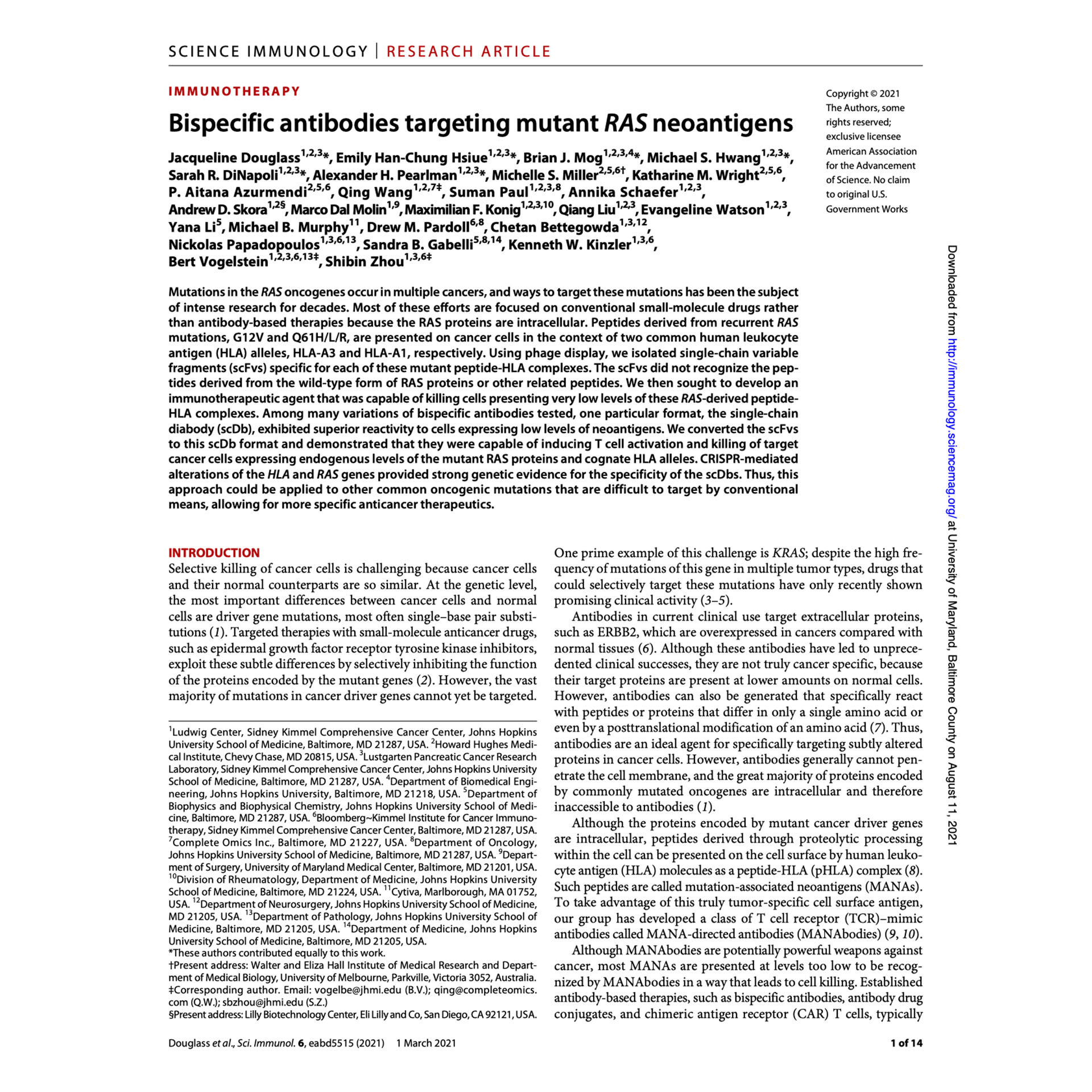
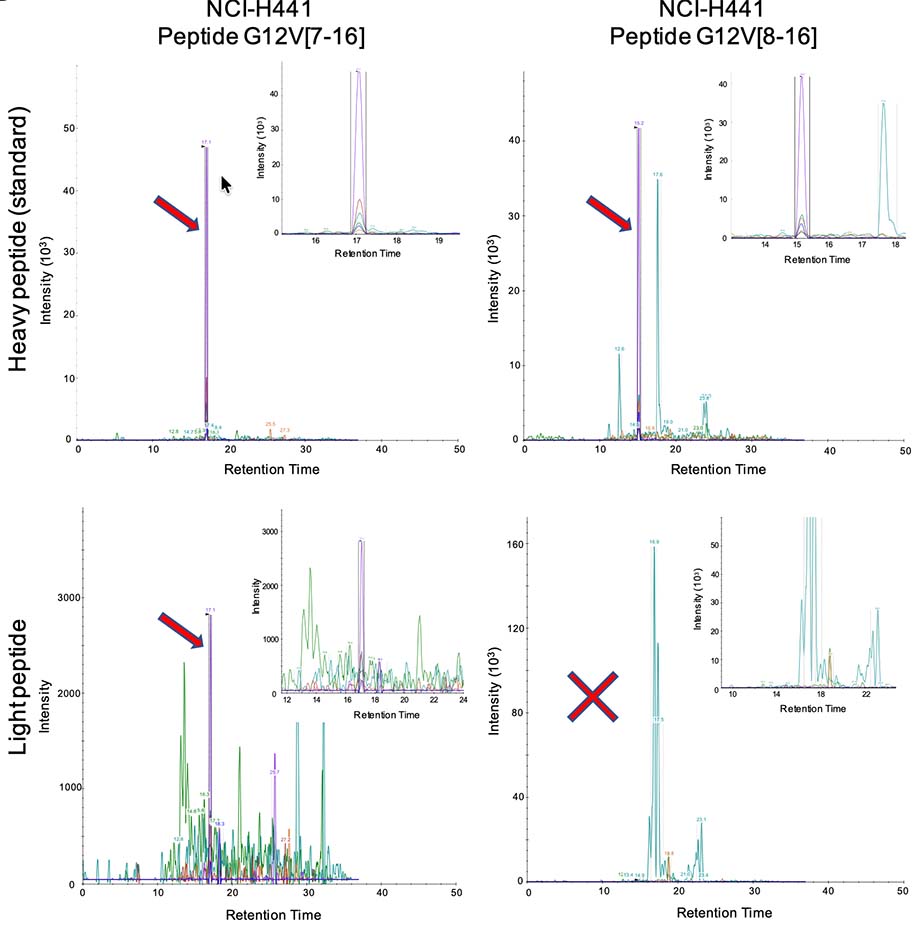
Several neoantigens from the most frequently mutated oncogene in human cancers, K-RAS, are identified by Complete Omics Inc.
For decades, scientists have searched intensely for neoantigens derived from major cancer driver mutations such as RAS G12V and Q61H/L/R, yet it remained unclear whether these targets were actually presented on tumor cells. Valid-NEO® solves this problem. By directly identifying and quantifying peptide–HLA complexes from tumors, the platform reveals mutation-derived targets that were previously invisible—transforming historically “undruggable” driver mutations into actionable immunotherapy opportunities.
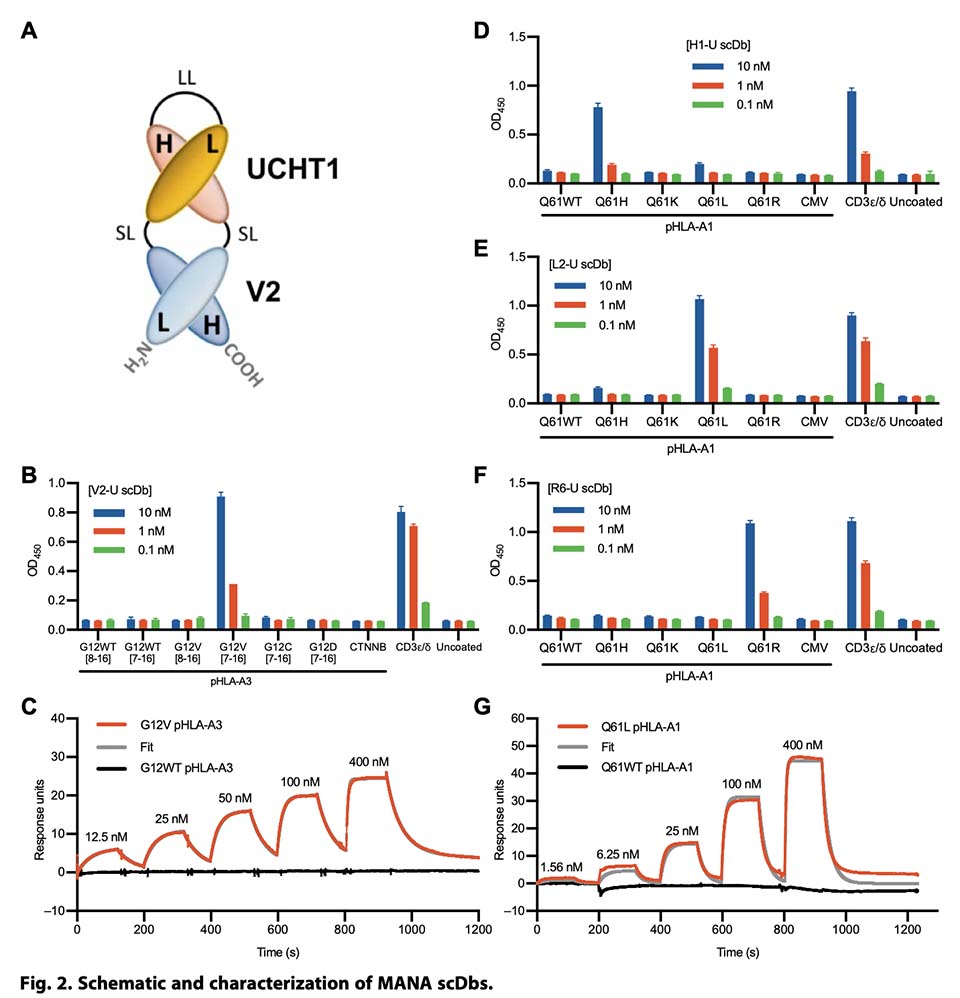
TUsing high-specificity antibody discovery approaches, the researchers identified antibodies that selectively recognize these mutant RAS neoantigens while ignoring the wild-type protein. These antibodies were engineered into bispecific T-cell–engaging antibodies, enabling immune cells to recognize and destroy tumor cells presenting the mutant RAS peptides.
Strategic Significance:
This work highlights the fundamental value of platform Valid-NEO®, which enables the experimental identification and quantitative validation of neoantigen peptide–HLA targets directly from tumors. By revealing actionable neoantigens derived from major oncogenic drivers such as RAS, Valid-NEO opens a new therapeutic category: immunotherapies against intracellular cancer driver mutations previously thought to be inaccessible to drugs.